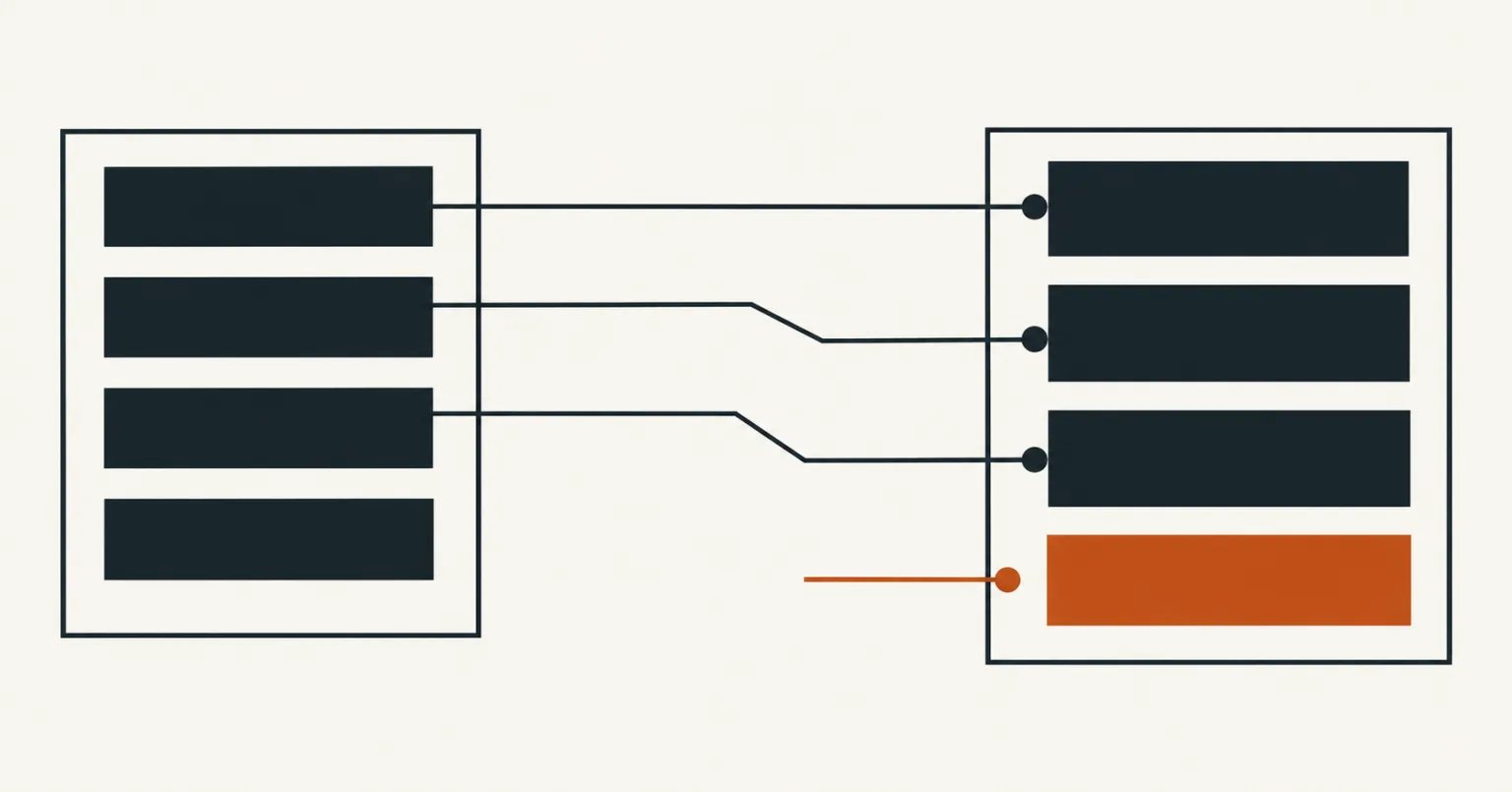
A photograph can show the shape of a vase. It cannot establish where the vase was excavated. A generated description has to keep those kinds of evidence separate.
A preprint by Clemencia Siro and Laura Hollink examines that problem using museum records. The authors first analyze descriptions for 10,250 objects, then vary field composition and image access within a matched sample of 500 objects. The controlled comparisons keep object identity fixed while changing the information supplied to the model.
Their findings separate field coverage from grounding. More information can prompt unsupported inference, and different field types produce different patterns of omission and elaboration. Images can help with visible details while encouraging interpretations beyond the catalog record. These results concern the study’s museum data and tested models, rather than a measured error rate for enterprise catalogs.
The evaluation also has a specific boundary: claim verdicts are relative to the catalog record. An unsupported statement is not necessarily a historical falsehood. That distinction matters when deciding what the generated text is allowed to assert.
For practitioners
For a product or asset catalog, make the evidence test concrete. Select a small set of records whose descriptions your team can check, generate a draft, and connect each factual claim to the exact field that supports it. Review missing information separately from invented detail. This is our proposed application of the study’s method, not a retail or enterprise deployment tested by its authors.
In a hypothetical product listing, a photograph might support a statement about color. It would not, by itself, establish certification or compatibility. Require the appropriate record for those claims, and leave the answer unresolved when that record is missing.
A useful description lets the reviewer trace its assertions. A fuller form gives the model more material; a clear evidence boundary tells the reviewer what that material can actually support.