A daily field guide to enterprise AI

Read via RSS ↗

Friday, October 23

Abstention, evaluation wording, executable policies, and a focused test of model boundaries.

Reconstructed from historical feed snapshots. Prepared October 24, 2026; reporting cutoff October 23, 2026 05:00 -0700.

01

TL;DR

The short version
  1. An IT-routing study makes human triage an explicit option in the cost model.
  2. Tool access and judge prompting can move evaluation results; compare configurations as well as scores.
  3. SCOPE explores decomposing policy into inspectable predicates; a pay-stub study keeps context in the boundary test.
02

Enterprise Ops

2 stories

Where capability meets the work.

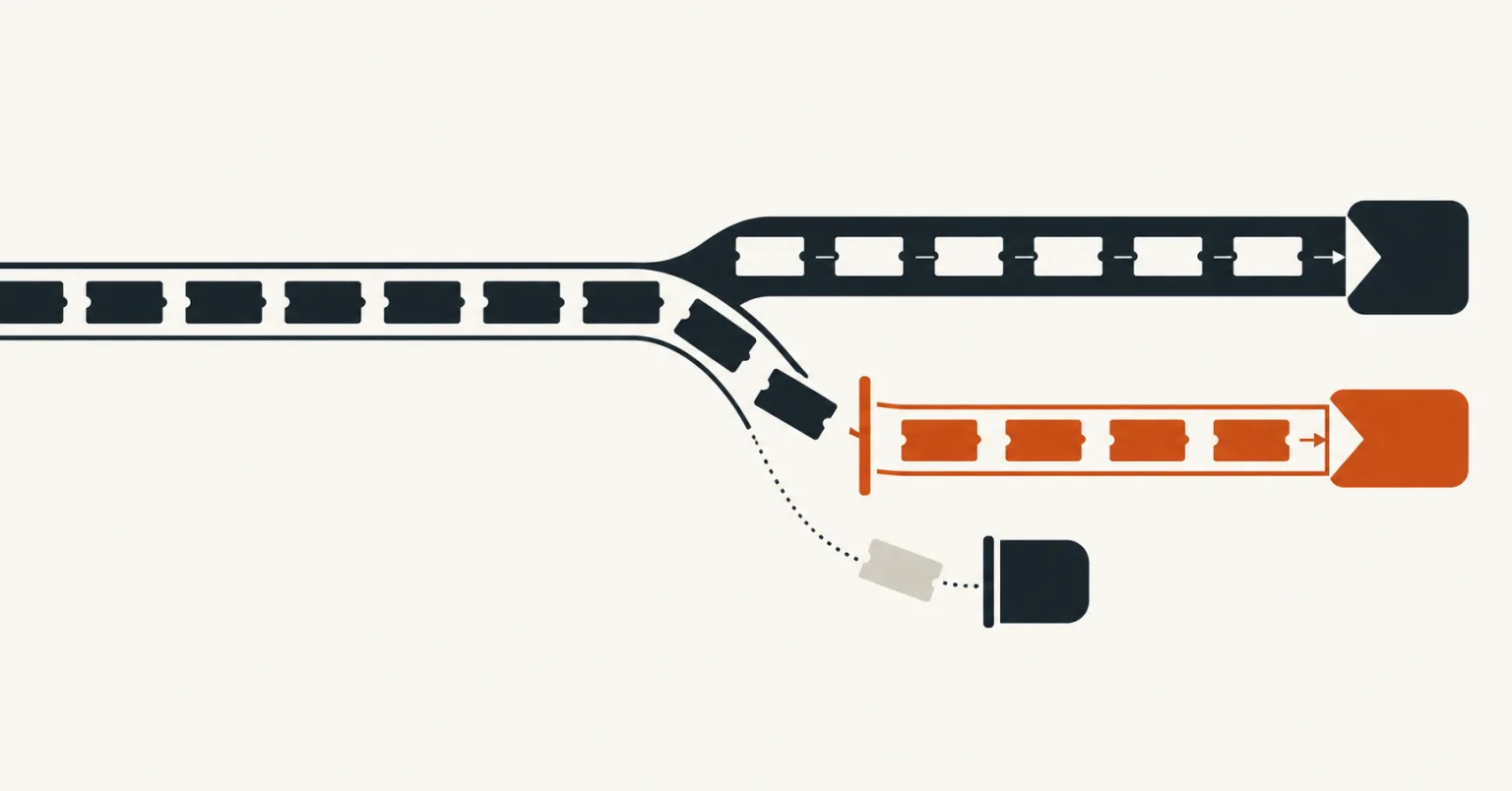
The best ticket-routing decision may be to defer

A cost-aware IT-routing study makes human triage an explicit option. Its results favor evaluating the whole decision policy, including the cost of a wrong route and the capacity of the review queue.

As a leader: Compare automatic routing, human triage, and selective deferral using costs and workload conditions your service desk can defend.

As an individual: Keep a held-out test set and select any routing threshold on separate calibration data.

Read the analysis →
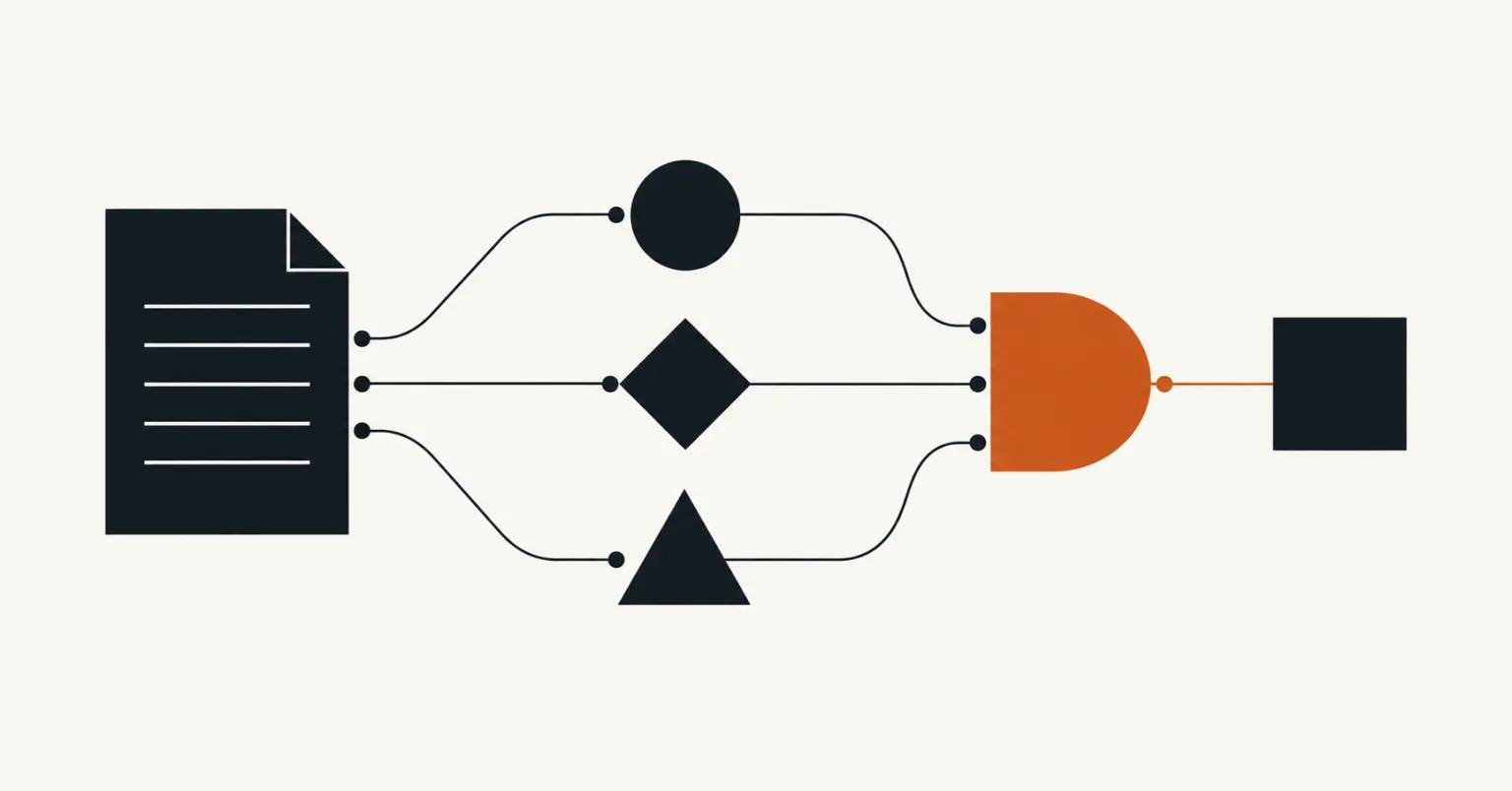
Evaluation scores need their prompts and judges attached

Two new studies show how wording, tool interfaces, judge choice, and language affect model comparisons. An enterprise scorecard needs to preserve those conditions and expose important reversals.

As a leader: Require comparison stability and important subgroup results alongside the headline evaluation score.

As an individual: Rerun a meaningful comparison across reasonable prompt wordings and preserve the judge configuration.

03

Security

2 stories

The boundaries that need to hold.

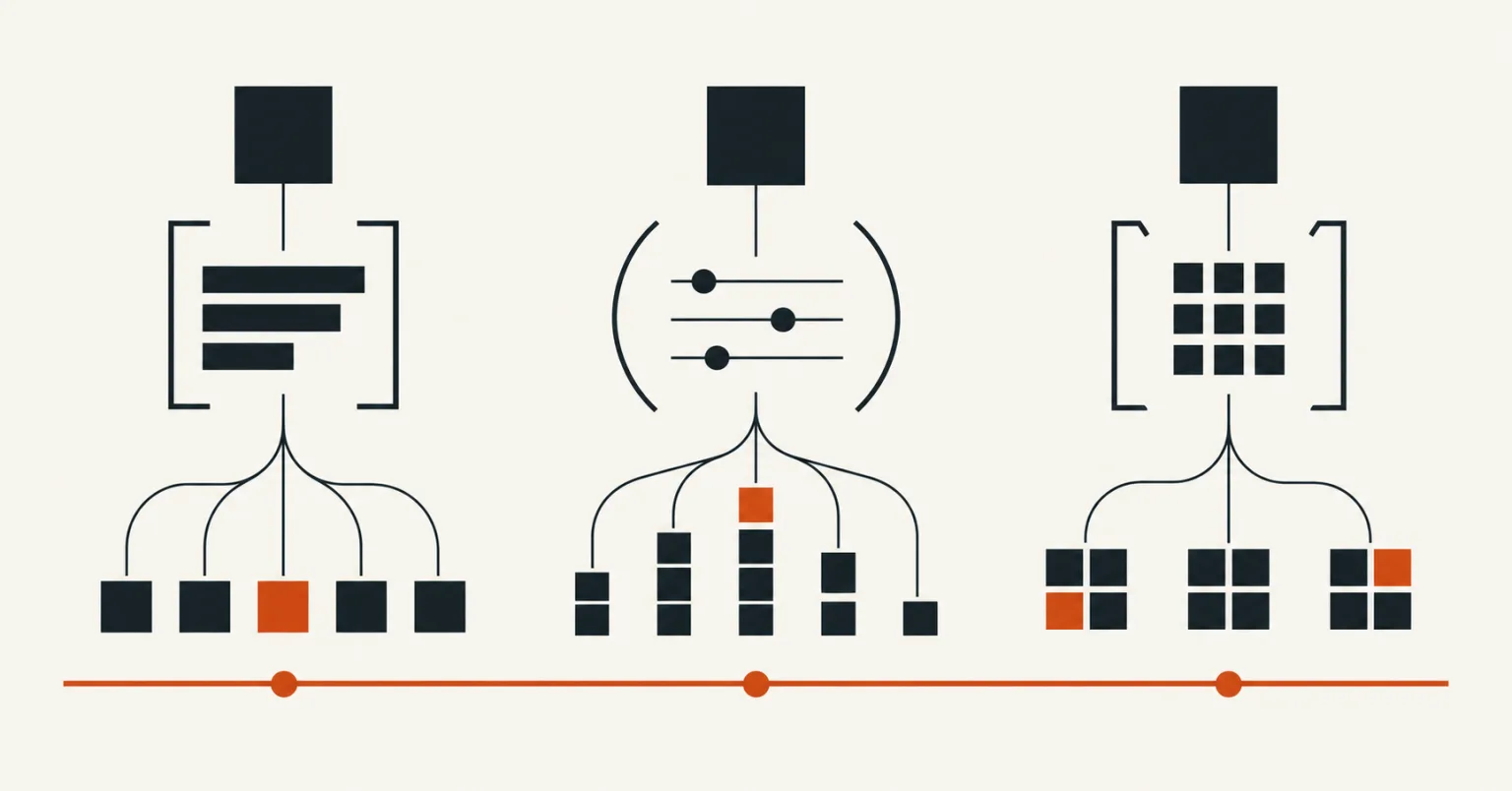
Compound policies need inspectable decisions

SCOPE explores compiling natural-language policies into smaller predicates and explicit logic. The enterprise opportunity is a policy decision whose components can be tested, explained, and maintained separately.

As a leader: Require a reviewed mapping from the policy to its executable checks, with examples that challenge each condition.

As an individual: Inspect which predicate or extractor produced a verdict before treating the overall result as explained.

Model boundaries need tests that vary the context

A controlled pay-stub editing study probes how context changes model responses. It supports a focused application test, while its simulated setting limits conclusions about real-world outcomes or overall ethics.

As a leader: Test consequential document workflows across relevant contexts and enforce the authorized operation outside the model.

As an individual: Distinguish a model’s proposed tool call from a verified real-world action when reviewing evaluation results.

Quick Hits

Worth a look
  • Scaling Laws for Safety Probes ↗

    Researchers studied safety probes trained on language model activations to monitor harmful outputs and found that probe error follows two scaling laws related to model size and number of labels. They created six new large safety datasets and trained probes on 20 models from five families, showing that probe error decreases predictably as model size and label count increase. These laws hold across tasks, architectures, and model families, enabling prediction of probe performance and guidance on whether to invest in larger models or more labels for a target error rate. This work helps safety researchers optimize probe design efficiently without extensive retraining.

  • Mostly Reading: What Open-Book Scores Measure in Document-Level LoRA Adapters ↗

    Researchers trained LoRA adapters on 150 Wikipedia articles using Llama-3.1-8B-Instruct to investigate what open-book scores measure in document-level adapters. They found that open-book scores largely capture a reading behavior common to all adapters, as random adapters trained on different documents recovered 82% of the specialist adapter's open-book advantage but only 2% of its advantage on cloze probes that test factual recall without the source text. Although specialist adapters showed some improvement in cloze recall and their weight updates aligned with the documents they read, tests showed that adapters selected by weight-space proximity or text embedding performed similarly to random adapters on both open-book and cloze probes.

  • Mixing Matters: Evidence Position Bias Across Sequence Mixers in Long-Context Question Answering ↗

    Researchers analyzed how long-context models use answer-bearing evidence depending on its position within a prompt, comparing Transformer, state-space, and hybrid Mamba architectures by moving a gold document among distractors. They found that Transformers show a beginning advantage in using evidence, which state-space models lack, while both favor evidence near the end. Variations in prompt design and dataset affected accuracy and position bias, but the sequence mixer alone was not identified as the sole cause of these effects. The study observed that attention concentration near initial tokens correlates with beginning sensitivity in Transformers, and that position information remains decodable across architectures despite differing response patterns. These findings suggest that effective context use depends on multiple factors including model family, task, capability, and prompt design, highlighting the complexity of evidence utilization in long-context question answering.

Looking Ahead

  • Compare automatic routing, human triage, and selective deferral using costs and workload conditions your service desk can defend.
  • Require comparison stability and important subgroup results alongside the headline evaluation score.
  • Require a reviewed mapping from the policy to its executable checks, with examples that challenge each condition.
Editor’s notes and source record

Reconstructed from the feed repository at e892e60cd02c0652f6ab4ced5eec4e86b634ba47. Checked 241 curated and 80 ranked entries. Full coverage uses verified original-source timestamps, not the feed’s curation date. Late-arriving, undated, inaccessible, conflicting, and overlapping stories were excluded. Related research is grouped by enterprise decision; remaining eligible research may appear as short links. Published 4 complete analyses with original generated heroes. Source facts are attributed; practical implications are editorial interpretation.

Coverage: 2026-10-22T00:00:00+00:00 → 2026-10-23T05:00:00-07:00

Historical feed snapshot ↗