Permission Checks and the Cost of Old Bugs

Google agent controls distinguish guidance from enforced permissions, while new PHP reporting exposes the work behind difficult security fixes.

2 stories · Yesterday in AI

TL;DR

The short version
  1. Google’s agent procedures and IAM controls operate at different points; verify the identity and actual refusal response before widening access.
  2. New PHP reporting shows why AI-assisted discovery still depends on experienced maintainers and a workable path through remediation tradeoffs.

Enterprise Ops

1 story

Google’s Agent Controls Separate Guidance From Enforcement
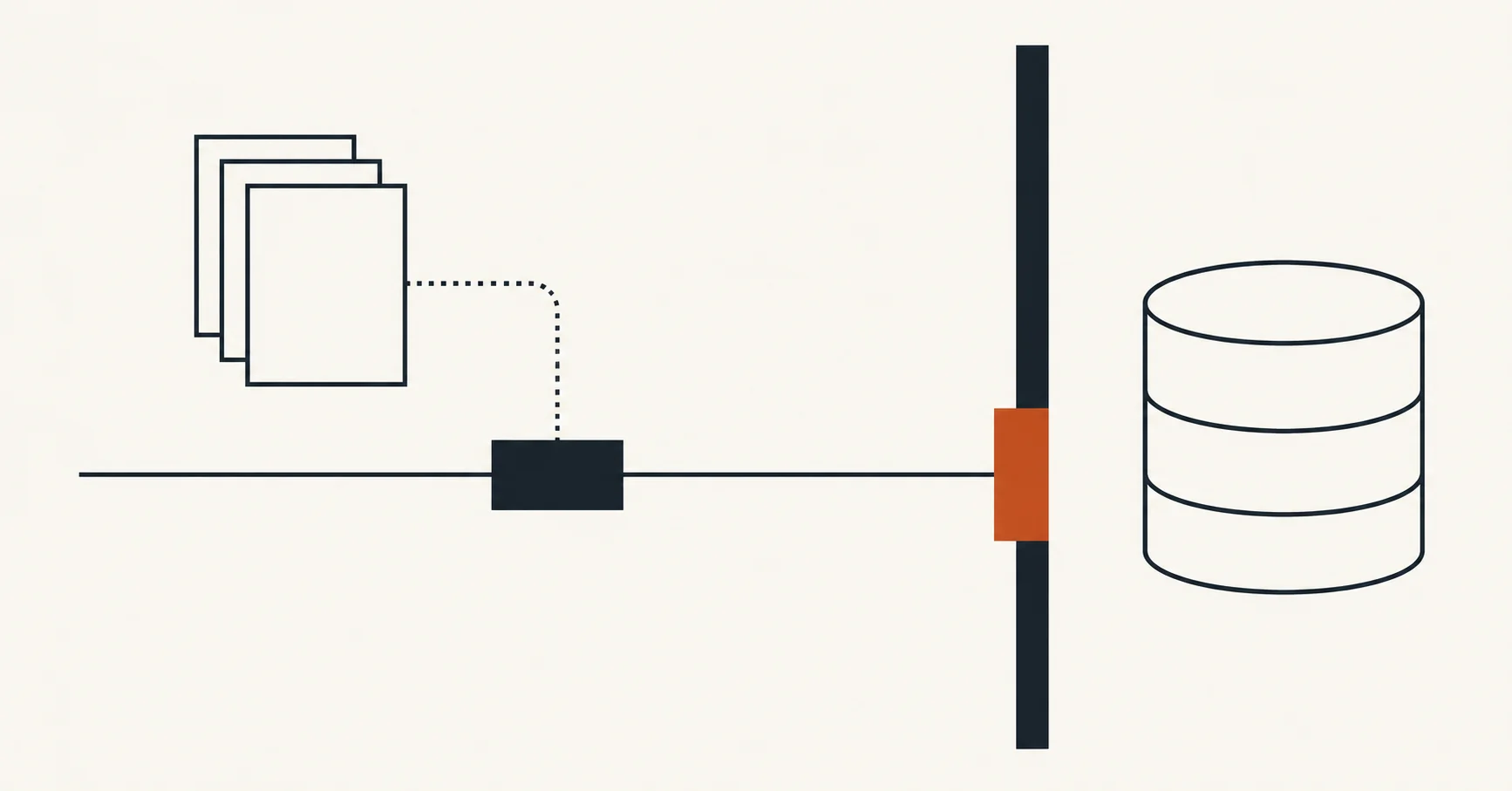
InfoQ’s new reporting distinguishes written agent procedures from Google Cloud permissions. A useful pilot verifies which tool calls the service actually refuses.

As a leader: Require evidence of a permitted read and a refused write under the intended agent identity before approving broader access.

As a practitioner: Trace the actual MCP service, caller identity and refusal response, then identify routes outside that policy.

InfoQ ↗Reporting

Security

1 story

PHP’s Old Flaws Put New Pressure on Remediation

WIRED’s new PHP reporting connects AI-assisted exploit research with familiar remediation constraints. The patch date, attack evidence and decision process each tell a different part of the story.

As a leader: Obtain evidence of corrected PHP runtimes and assign an escalation owner for fixes blocked by difficult tradeoffs.

As a practitioner: Verify the runtime serving each exposed application and the applicable vendor update, rather than relying only on an application-version change.

WIRED ↗Reporting

Quick Hits

Worth a look
  • Raschka Opens the Reasoning-Model Workbench ↗

    Sebastian Raschka published eight coding lectures on evaluation, inference-time scaling, reinforcement learning and distillation in Python and PyTorch. The verifier lesson connects model evaluation with the reward signal used in training.