- LiteLLM’s October 23 report connects a poisoned release to a chain of compromised credentials and release authority.
- Pew finds a large gap between general chatbot use and use for one specific information task.
- Kapitsa v0.2.15 makes local inference an operating decision about network access, retained conversations, and recovery.
Models, platforms, and the choices they create.
Vendors5 min read
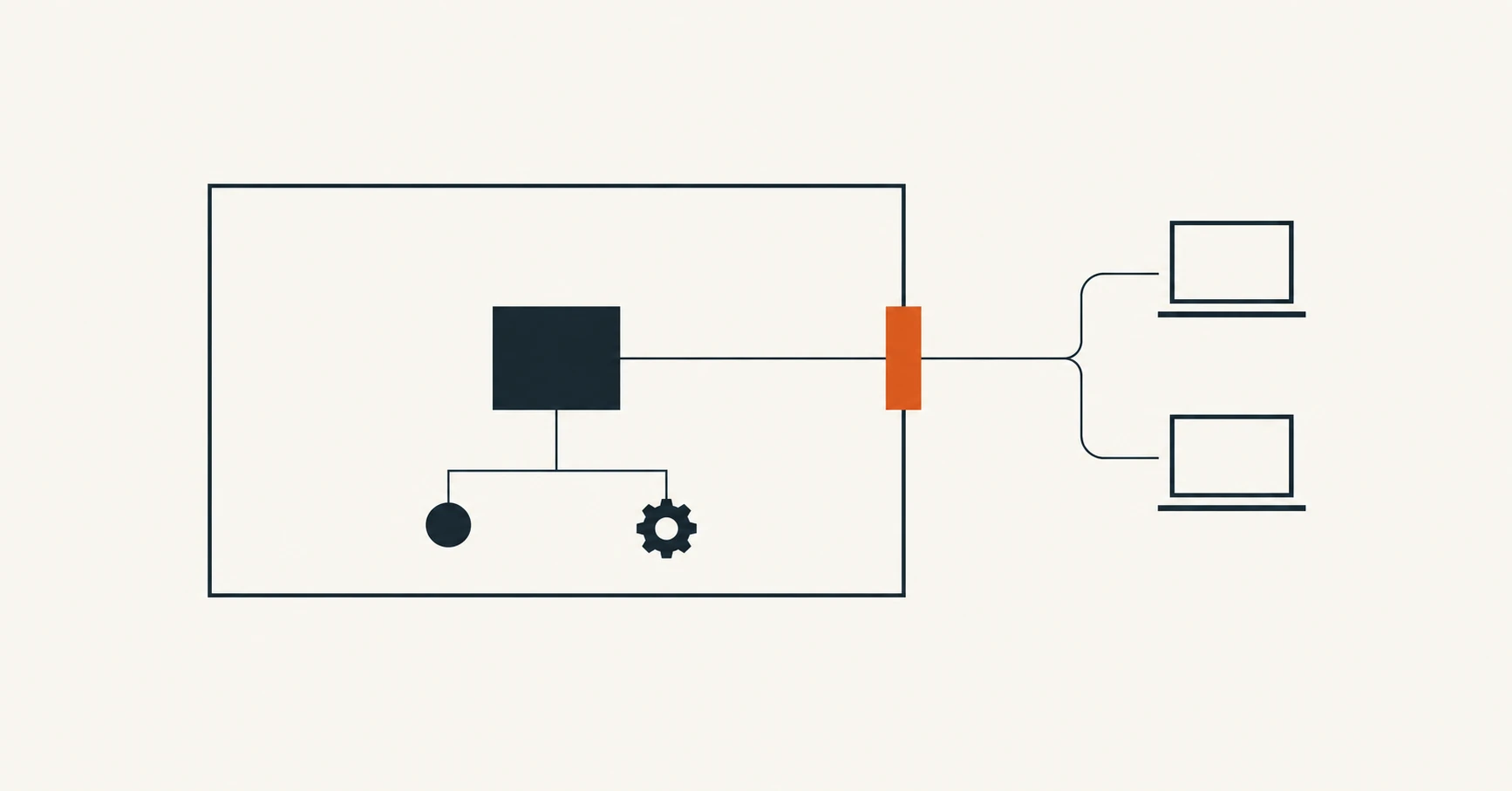
Kapitsa v0.2.15 pairs serving fixes with qualified performance claims. Running a coding model locally makes network access, retained conversations, and service recovery decisions part of the team's work.
As a leader: Assign an owner to a bounded local-inference pilot and approve its network, retention, and recovery choices before evaluating task outcomes.
As an individual: Record the engine, model, and actual request destination, then check a long request and a recoverable failure on the approved pilot.
Read the analysis →
The boundaries that need to hold.
Security4 min read
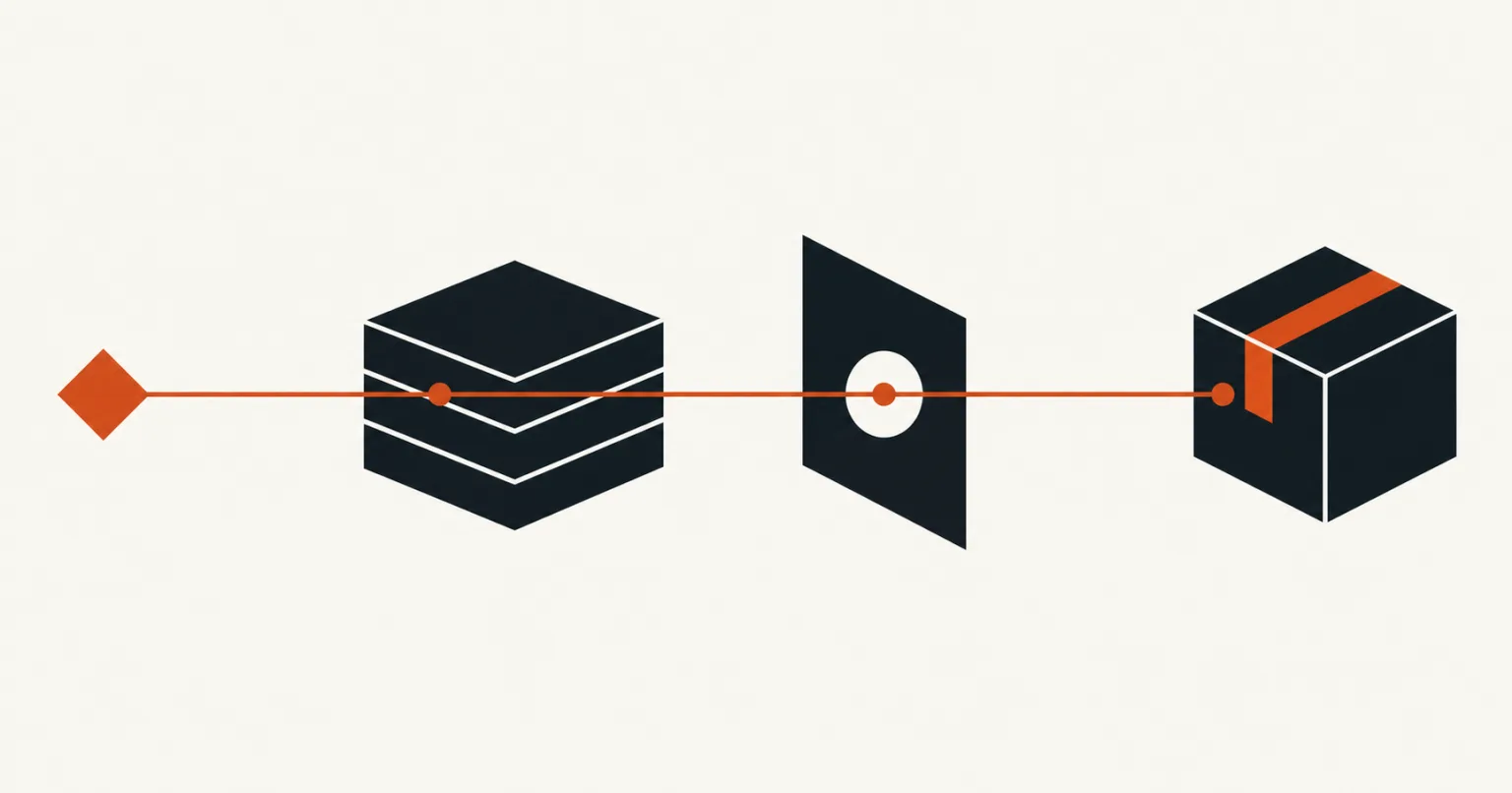
LiteLLM’s root-cause report describes a chain from exposed credentials to a malicious release. The operating question is whether apparently separate release controls depend on the same compromised authority.
As a leader: Map who can read release credentials, alter the build source, approve publication, and override the controls between those steps.
As an individual: Review the official incident record for exposure assessment and preserve the exact artifact and version used by your application.
Rules, accountability, and public decisions.

Policy4 min read
Pew’s election-information survey distinguishes broad chatbot use from use for one particular purpose. Enterprise adoption measures should make the same distinction between access, activity, and useful outcomes.
As a leader: Define adoption for a specific user task and measure successful outcomes separately from general chatbot access or activity.
As an individual: Check the denominator and the question behind an adoption statistic before applying it to another setting.
- Map who can read release credentials, alter the build source, approve publication, and override the controls between those steps.
- Define adoption for a specific user task and measure successful outcomes separately from general chatbot access or activity.
- For a local-inference pilot, record the actual request destination and assign network, retention, and recovery decisions to a service owner.
Editor’s notes and source record
Reconstructed from the feed repository at 923ac0dcbfb49c724e6e7a304bd5cf1f5d920ee3. Checked 236 curated and 80 ranked entries. Full coverage uses verified original-source timestamps, not the feed’s curation date. Late-arriving, undated, inaccessible, conflicting, and overlapping stories were excluded. Related research is grouped by enterprise decision; remaining eligible research may appear as short links. Published 2 complete analyses with original generated heroes. Source facts are attributed; practical implications are editorial interpretation. Added October 24, 2026 at 2026-10-24T23:51:11.159568Z: one new analysis of Kapitsa v0.2.15 and a newly generated original hero under Ted’s one-time full-publication request. This edition now contains 3 analyses. The original two articles, their images, the retrospective label, preparation timestamp, and reporting window are preserved. Kapitsa evidence is pinned to the October 23 release and source commit; later releases and current main-branch documentation were excluded. The supplied feed’s launch wording is retained as an attributed input, not adopted as a claim about the project’s original launch.
Coverage: 2026-10-23T00:00:00+00:00 → 2026-10-24T05:00:00-07:00
Historical feed snapshot ↗