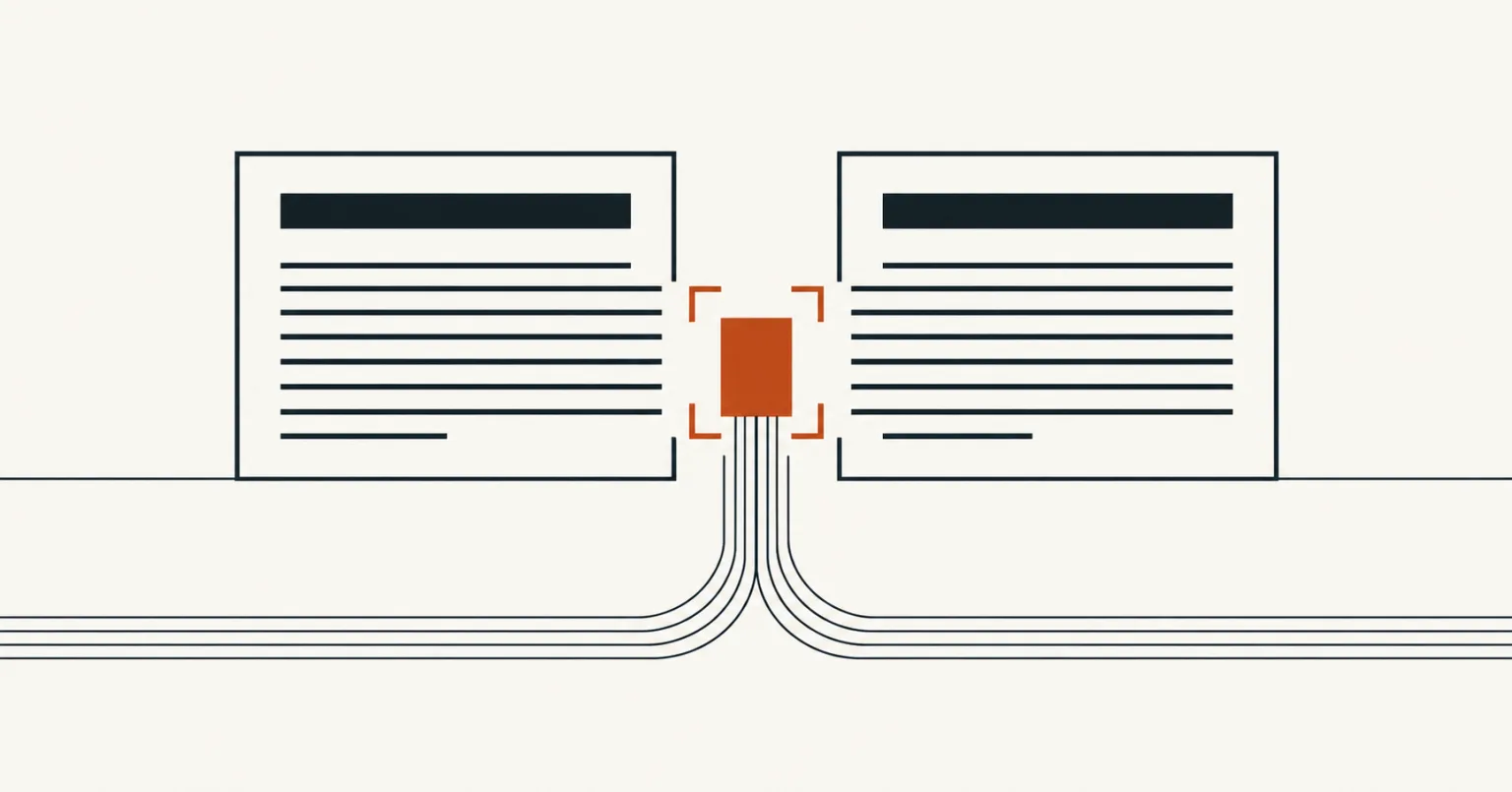
A notice about revised terms arrives. Someone can read the sentence, but can anyone point to the account, the content, and the person who owns the relationship? That is where a platform-policy discussion becomes a piece of operating work. The contract describes one part of the arrangement. The systems and people using it supply the rest.
TechCrunch reports that Meta removed commercial-terms language after concerns about how it might apply to scraping and AI training. The report also records Meta’s explanation that its clarification concerned advertising and business products and did not change its web-crawling practices. Those are reported statements about the wording and the company’s position. They do not, by themselves, establish a legal conclusion about a particular enterprise’s content.
So begin with the relationship you actually have. Which business account does the wording apply to? What information passes through it? Who has the authority to decide whether that arrangement remains acceptable? These questions give the people reviewing the language and the people running the account something concrete to discuss together.
Find the relationship before debating the clause
A large organization can have business accounts created by different teams for different purposes. An enterprise-wide discussion about a platform may therefore begin with a surprisingly ordinary question: which accounts do we actually operate, and who owns them?
That inventory should connect accounts to the domains, applications, campaigns, and content they use. A contract specialist reviewing a provision cannot infer the whole technical relationship from the company name. A platform administrator cannot settle the meaning of a clause by describing an API. Both views are needed to identify the real decision.
Use the review to establish an accountable owner for each relationship. The owner should know who accepts revised terms, how notices arrive, and which other teams need to be involved. Otherwise the organization may discover a material change through a news article while the operational account holder assumes somebody else has reviewed it.
Separate statements from observations
A vendor explanation is useful evidence. So are the terms themselves, the history of their revisions, and observations of the relevant systems. Preserve them separately rather than compressing all three into an informal assurance that nothing has changed.
For the technical side, describe what content is available through the relationship and under which controls. Public website content, authenticated customer records, advertising assets, and material uploaded through an integration may involve different paths. The review should identify those paths without assuming that one rule or one setting covers them all.
For the contractual side, ask the responsible legal team to assess the current wording in the actual account and business context. Record the question being decided and the version reviewed. A general interpretation circulating internally is much less useful when nobody can reconstruct which document and configuration it referred to.
Give changes a route into operations
Follow the notice past the inbox. It needs a recipient who can decide what review is required and reach the team able to change the configuration or business process. A folder full of notices tells you that messages arrived. Following a notice to an accountable decision tells you whether the organization can do something with them.
One useful exercise is to follow a hypothetical change from notification to disposition. Who receives it? Who identifies affected accounts? Who reviews the content use? Who can pause an integration if necessary? Who records the resulting decision? If the answers depend on a particular employee remembering an old conversation, the process needs a more durable record.
The disposition does not have to be a platform exit. It could be acceptance of the reviewed arrangement, a narrower configuration, a change in which assets are supplied, or a request for clarification. What matters is that an authorized person makes the decision with enough information to understand the consequences.
Preserve an understandable record
Write the record for the next person who has to reopen the question. They need the terms version, the affected relationship, its technical description, the reviewers, the decision, and its date. They also need to know which assumptions mattered. Keep the record small enough that somebody will maintain it, and specific enough that a changed assumption can be recognized.
For example, a decision made for publicly available campaign content should not silently expand to a new integration handling a different class of information. That is a new operational fact, even if the vendor and account name remain the same. Connecting change management to the original review makes that distinction visible.
For a concrete review, choose one campaign and trace an asset from its approved source to the account that publishes it. Record which settings can transform it, which people can change those settings, and which retained copy shows what was approved. This small exercise connects a policy discussion with something an operator can actually inspect. Repeat it when the account begins supplying a different class of content or when the publishing workflow changes.
This is our operating interpretation of the news, rather than a finding about Meta’s legal rights or any specific customer’s obligations. For the next review, bring a real account and a real content path to the conversation. Put the revised sentence beside the configuration it governs. Then put names beside the decisions. The review becomes useful when the people in that room can connect the words to the work.